Dhanikans: A Unique Handwritten Font for Modern Design
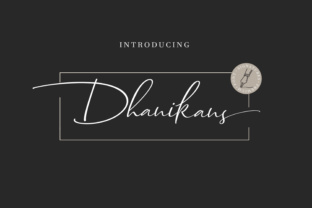
Dhanikans is a distinctive, modern handwritten font that offers a handcrafted aesthetic ideal for a variety of design applications. Its unique style sets it apart from standard typefaces, making it a popular choice for projects that require a personal, authentic touch. Whether used in logos, signatures, labels, packaging design, or blog headlines, Dhanikans brings a sense of creativity and individuality to any visual composition.
What Is Dhanikans?
Dhanikans is a custom-designed handwritten font that mimics the natural flow and irregularities of human handwriting. Unlike digital fonts that often appear rigid or uniform, Dhanikans incorporates subtle variations that reflect the imperfections of a real pen or brush stroke. This makes it particularly well-suited for designs that aim to convey warmth, personality, or a more organic feel.
The font’s name suggests its origin or inspiration, though specific details about its creation are not widely publicized. However, its visual characteristics clearly indicate a focus on authenticity and artistic expression. It is typically available for purchase through font marketplaces and design platforms, allowing users to integrate it into their creative workflows.
Why Someone Might Be Interested in Dhanikans
Designers and creatives often seek fonts that stand out and add a unique identity to their work. Dhanikans appeals to those looking for a font that feels personal and expressive. Its handwritten style can evoke a sense of craftsmanship, which is valuable in branding, marketing, and editorial design.
For example, businesses aiming to create a boutique or artisanal image may find Dhanikans useful for logos or packaging. Similarly, bloggers or content creators might use it for headlines to draw attention and establish a distinct visual style. The font’s versatility also allows it to be used in both digital and print formats, expanding its potential applications.
Benefits of Using Dhanikans
One of the primary advantages of Dhanikans is its ability to add character and visual interest to a design. Its natural, uneven strokes can make text more engaging and less static than traditional typefaces. This is especially beneficial in projects where the goal is to communicate a sense of approachability or creativity.
Additionally, Dhanikans can help differentiate a brand or project from competitors. In a market saturated with generic fonts, using a distinctive typeface like Dhanikans can create a memorable impression. It is also suitable for projects that require a personal touch, such as invitations, certificates, or handmade-style graphics.
Tradeoffs and Considerations
While Dhanikans offers many benefits, it is not without limitations. One key consideration is readability. Handwritten fonts, by nature, can be harder to read at smaller sizes or in dense blocks of text. This means it may not be the best choice for body copy or long-form content, where clarity is essential.
Another factor is consistency. Since Dhanikans mimics real handwriting, it may not align perfectly with other elements in a design. Users should ensure that the font complements the overall visual language of their project. For instance, pairing it with overly formal or geometric typefaces could create a jarring contrast.
Situations Where Dhanikans May Be a Strong Fit
Dhanikans is particularly effective in scenarios where a personal or artistic flair is desired. It works well for logo design, especially for brands targeting creative industries, lifestyle products, or independent businesses. Its style can also enhance the visual appeal of social media graphics, banners, or promotional materials that aim to stand out.
For designers working on projects with a nostalgic or vintage theme, Dhanikans can provide an authentic, hand-crafted look. It is also useful for creating eye-catching headlines or titles that need to capture attention quickly. In these cases, the font’s uniqueness becomes a strength rather than a limitation.
Situations Where Alternatives May Be Worth Considering
In situations where clarity and legibility are paramount, alternatives to Dhanikans may be more appropriate. For example, in user interface (UI) design or web typography, a clean, sans-serif font might be preferable for ensuring accessibility and readability across different devices and screen sizes.
Similarly, for professional or corporate branding, a more structured and polished font may better reflect the desired tone. In such cases, Dhanikans could appear too informal or inconsistent with the brand’s identity. Designers should evaluate the context and purpose of their work before selecting a font.
Practical Decision-Making Insights
When considering whether to use Dhanikans, it is important to assess the specific needs of the project. Start by defining the goals of the design—does it require a personal touch, a bold statement, or a clean and functional layout? Understanding these objectives will help determine if Dhanikans aligns with the intended outcome.
Testing the font in different contexts is also advisable. Experimenting with various sizes, colors, and backgrounds can reveal how well it performs in different scenarios. Additionally, reviewing examples of how others have used Dhanikans can provide insights into its effectiveness and potential challenges.
Finally, consider the availability and licensing of the font. Ensure that it is accessible for the intended use and that any necessary permissions or restrictions are understood. This helps avoid unexpected issues during the design process.
Conclusion
Dhanikans is a versatile and expressive handwritten font that can enhance a wide range of design projects. Its unique, handcrafted style adds character and individuality, making it a valuable tool for creatives seeking to stand out. However, its suitability depends on the specific requirements of the project, including factors like readability, consistency, and context.
By carefully evaluating the strengths and limitations of Dhanikans, designers can make informed decisions about its use. Whether it becomes a key element of a brand or a supporting detail in a larger composition, Dhanikans has the potential to contribute meaningfully to the visual narrative of a design.